
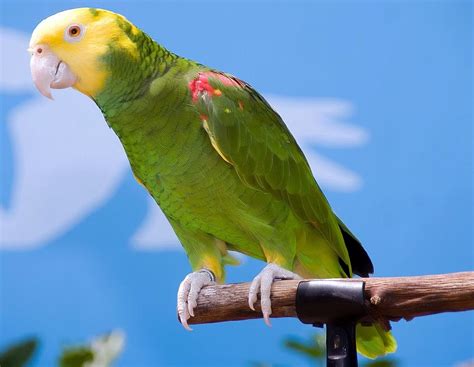
Whether you're an experienced bird owner or just diving into the world of pet parrots, understanding the unique needs and characteristics of the Amazona oratrix can make all the difference in fostering a happy, healthy, and thriving pet. This guide will address the common concerns and challenges faced by owners, providing a blend of actionable advice, real-world examples, and practical solutions to ensure your Amazona oratrix flourishes in your home.
This guide aims to unravel the secrets and nuances in parrot science, starting with the basics and gradually moving to more advanced care tips. We'll delve into topics such as nutrition, habitat setup, social interaction, health monitoring, and training techniques. Each section will arm you with the knowledge you need to enhance your parrot's well-being and deepen your understanding of this fascinating species.
The Problem-Solution Opening
Caring for an Amazona oratrix, commonly known as the Puerto Rican Parrot, comes with its unique set of challenges. From dietary demands to behavioral needs, ensuring that your feathered friend is both healthy and happy requires a deep understanding of its specific requirements. Many parrot owners encounter difficulties such as improper nutrition, inadequate habitat, and insufficient social interaction, which can lead to poor health and behavioral issues. This guide will provide a step-by-step approach to solving these problems, offering practical solutions backed by real-world examples.
By following this guide, you’ll learn how to create the optimal environment for your Amazona oratrix, understand their nutritional needs, ensure proper social interaction, and recognize signs of good and poor health. We’ll also cover training techniques to foster a strong, positive bond with your parrot.
Quick Reference
Quick Reference
- Immediate action item: Clean your parrot's cage daily to maintain a healthy living environment.
- Essential tip: Provide a varied diet that includes fresh fruits, vegetables, and high-quality parrot pellets to meet nutritional needs.
- Common mistake to avoid: Not interacting with your parrot daily, which can lead to loneliness and behavioral problems.
Detailed How-To Sections
Setting Up the Perfect Habitat
Creating a habitat that simulates the natural environment of the Puerto Rican Parrot is crucial for their wellbeing. Here’s a detailed step-by-step guide to setting up an ideal space for your Amazona oratrix.
- Cage Selection: Opt for a cage made from rust-proof, non-toxic metal bars with a size of at least 24x24x36 inches. Ensure the bars are not too close together to prevent foot injuries.
- Positioning: Place the cage in a location where it receives ample natural light but is not in direct sunlight or draft areas.
- Accessories: Include perches of varying diameters, natural wood (untreated), and swings, as well as a variety of toys to keep your parrot stimulated.
To maintain the habitat’s cleanliness and hygiene, clean the cage thoroughly once a week. Use a pet-safe cage cleaner to disinfect surfaces, replacing any soiled bedding with fresh, organic materials.
Nutritional Needs of Amazona oratrix
A balanced diet is critical to keeping your Amazona oratrix healthy and vibrant. Follow these steps to ensure your parrot gets all the necessary nutrients:
- High-Quality Pellets: Base your parrot’s diet on a high-quality parrot blend pellet. Pellets should make up 50-70% of their diet.
- Fresh Fruits and Vegetables: Offer a variety of fresh fruits and veggies every day. Dark leafy greens, apples, carrots, and berries are excellent choices. Avoid giving citrus fruits and avocado due to toxicity.
- Calcium Source: Provide a cuttlebone or calcium block to prevent calcium deficiencies, which are crucial for strong bones and eggshell formation.
- Clean Water: Always provide fresh, clean water in a squeezable glass or a heavy ceramic dish to prevent spills.
Avoid giving foods high in sugar, salt, and fat as these can lead to health issues like obesity and liver disease. Monitor your parrot’s eating habits to ensure they are getting a balanced diet.
Social Interaction and Mental Stimulation
Amazona oratrix are social birds that thrive on interaction. Proper social interaction can prevent boredom and behavioral problems. Follow these steps to ensure your parrot stays happy and mentally stimulated:
- Daily Interaction: Spend at least 30 minutes daily interacting with your parrot. Talk to them, play games, and let them perch on your finger.
- Training and Tricks: Teach your parrot simple tricks or commands. This not only entertains them but also stimulates their mind.
- Companionship: Consider getting another parrot as a companion if possible. Amazona oratrix are known to be social and enjoying the company of their own kind.
Provide toys that challenge their intellect, such as puzzles and food-dispensing toys. Rotate these toys weekly to keep them interesting and engaging.
Health Monitoring and Maintenance
Regular health checks are vital to ensuring your parrot remains in good health. Follow these steps to monitor and maintain your bird’s health:
- Routine Check-Ups: Schedule annual check-ups with an avian veterinarian. Regular vet visits can help catch any health issues early.
- Observation: Keep an eye on your parrot’s behavior, eating habits, and physical appearance. Any sudden changes can indicate a health problem.
- Parasite Control: Regularly check for signs of parasites, especially around the vent area. Use vet-recommended parasite control products as needed.
Ensure their environment is clean and free from toxins. Avoid using harsh chemicals or cleaners around the habitat. Regular bathing opportunities in a shallow dish of clean water will also help keep them clean and happy.
Practical FAQ
Common user question about practical application
What should I do if my Amazona oratrix is not eating?
If your parrot isn’t eating, it’s important to identify the cause. Here’s what to do:
- Check the environment: Ensure the cage is clean and placed in a draft-free, well-lit area.
- Observe behavior: Note any signs of illness or stress. A sick bird might not eat.
- Consult a vet: If the behavior continues, contact an avian veterinarian immediately to rule out health issues.
- Diet variety: Offer a variety of foods to stimulate interest. Avoid sudden changes in diet.
Remember, a healthy diet is crucial for their overall wellbeing. Don't hesitate to seek professional advice when necessary.
This comprehensive guide provides the necessary steps and insights to care for your Amazona oratrix effectively. By addressing each aspect of care with practical solutions and real-world examples, we aim to empower you with the knowledge to make informed decisions for your parrot's health and happiness.